

As 2026 approaches, China is expected to remain one of the world’s most influential technology markets. From artificial intelligence and robotics to electric vehicles and semiconductor development, China continues investing heavily in industries designed to shape the next decade of global innovation.
While technology competition is accelerating worldwide, China’s strength lies in its ability to scale infrastructure, manufacturing, and consumer adoption faster than many other markets.
For businesses, investors, and technology observers, 2026 could become a defining year for China’s transition into a more advanced, AI-driven economy.
Artificial Intelligence Moves Into Everyday Industries
AI is expected to remain one of the biggest drivers of China’s technology growth in 2026.
Chinese companies are increasingly integrating AI into:
- Manufacturing and industrial automation
- Customer service platforms
- Healthcare systems
- Logistics and supply chains
- Financial technology applications
- Smart city infrastructure
Rather than focusing only on consumer chatbots, many Chinese firms are applying AI directly to operational efficiency and large-scale industrial systems.
Analysts expect AI-powered automation to expand rapidly across factories, warehouses, and transportation networks during 2026.
Robotics Could Become a Major Economic Force
China is also expected to accelerate investment in robotics.
With rising labor costs and increasing demand for productivity, businesses are adopting:
- Humanoid robots
- Warehouse automation systems
- AI-powered manufacturing arms
- Autonomous delivery solutions
China already operates one of the world’s largest manufacturing ecosystems, giving robotics companies a large real-world testing environment for deployment at scale.
Some forecasts suggest industrial robotics could become one of the fastest-growing technology sectors in Asia over the next several years.
Semiconductor Development Remains a Priority
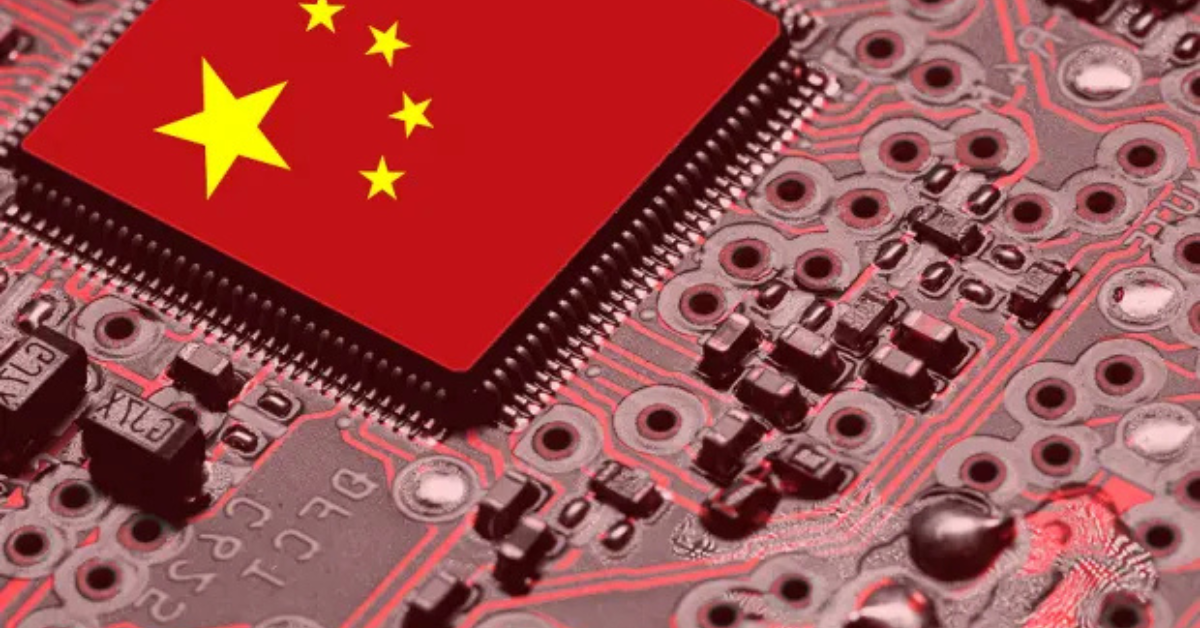
Semiconductors are expected to remain a central focus in China’s technology strategy for 2026.
The country continues investing in:
- Domestic chip manufacturing
- AI processors
- Data center hardware
- Advanced computing infrastructure
- Supply chain resilience for electronics
As demand for AI computing power rises globally, chip development is becoming increasingly important for cloud computing, robotics, autonomous systems, and consumer devices.
Many analysts expect semiconductor innovation to remain one of the most closely watched sectors in China’s technology market.
Electric Vehicles and Battery Technology Continue Expanding
China’s EV ecosystem is expected to remain highly competitive in 2026.
Growth areas may include:
- Electric vehicle exports
- Autonomous driving software
- Fast-charging infrastructure
- Battery innovation
- Smart in-car operating systems
Chinese manufacturers have already become major players in global battery production and EV manufacturing.
The combination of software, AI, and advanced battery systems is creating a technology ecosystem that extends far beyond traditional automotive production.
Smart Cities and Digital Infrastructure
China is also expected to continue expanding smart infrastructure projects in 2026.
These initiatives may include:
- AI-powered traffic systems
- Connected public transportation
- 5G and next-generation networks
- Smart energy grids
- Digital payment ecosystems
Large urban centers are increasingly integrating digital systems designed to improve efficiency, logistics, and energy management.
For technology providers, infrastructure modernization could create long-term opportunities across software, cloud services, sensors, and automation.
Consumer Technology Still Drives Massive Demand
China remains one of the world’s largest consumer technology markets.
In 2026, trends likely to continue include:
- Smartphone innovation
- Wearable technology
- Mobile-first commerce
- Livestream shopping platforms
- AI-integrated consumer apps
Chinese consumers often adopt digital services rapidly, allowing technology companies to test and scale products quickly.
This fast adoption cycle is one reason China continues influencing global consumer tech trends.
Challenges Facing the Technology Sector
Despite strong growth potential, companies are also monitoring several challenges:
- Intense competition between technology firms
- High investment costs for AI infrastructure
- Supply chain complexity
- Global chip demand fluctuations
- Regulatory and data compliance requirements
Businesses operating internationally are increasingly diversifying manufacturing and sourcing strategies while continuing to engage with China’s technology ecosystem.
Outlook for 2026
China’s technology forecast for 2026 points toward continued expansion in AI, robotics, semiconductors, EVs, and digital infrastructure.
The country’s combination of manufacturing scale, engineering talent, infrastructure investment, and consumer adoption gives it a significant role in shaping future technology markets.
Rather than relying on a single breakthrough sector, China appears focused on integrating AI and automation across nearly every part of the economy — from factories and transportation to healthcare and financial services.
For global businesses and investors, 2026 may be less about whether China remains a technology powerhouse, and more about which industries emerge as the biggest winners from its next phase of innovation.
Disclaimer: This article is for informational purposes only and does not constitute investment, financial, or technology advice. Forecasts and market conditions may change over time.