

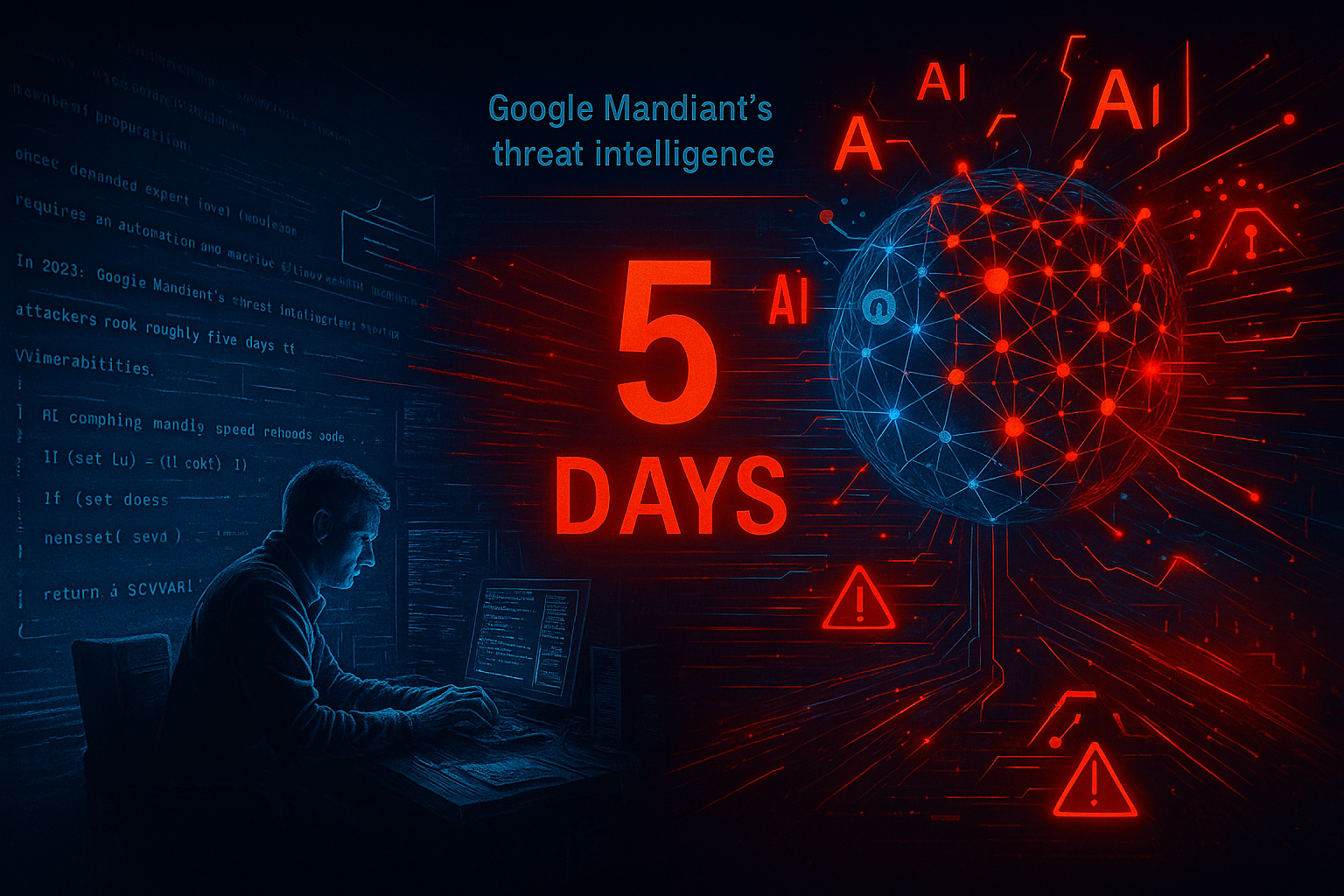
AI Uncovers Hidden Flaws Threatening Global Security
In recent years, artificial intelligence has become a transformative tool in the battle for cybersecurity. Yet this same technology is revealing just how fragile our digital world has become. Sophisticated AI systems are now capable of detecting thousands of critical vulnerabilities buried deep within networks, software, and even hardware systems that underpin modern life. The findings are both alarming and enlightening—showing that as connectivity expands, so does the attack surface.
AI-driven scanners and machine learning models can analyze codebases, simulate cyberattacks, and flag weaknesses far more efficiently than traditional human-led audits. In many cases, these vulnerabilities include flaws in critical infrastructure such as power grids, transportation control systems, hospital networks, and financial databases. What’s particularly troubling is that a vast number of these weaknesses have existed unnoticed for years, making them easy targets for malicious actors once discovered.
The explosion of IoT (Internet of Things) devices and cloud-based technologies has compounded the situation. Each new connected device or software update potentially introduces another entry point for hackers. AI tools, while invaluable in identifying risks, also raise concerns since the same technology that protects can be wielded by cybercriminals to automate sophisticated attacks.
Recent reports from cybersecurity firms and research institutions indicate that the scale of exposure is unprecedented. Vulnerabilities range from misconfigured servers and outdated encryption standards to deep flaws in widely used middleware. The sheer volume of these flaws paints a sobering picture: even as AI strengthens our defensive capabilities, it’s simultaneously exposing the digital equivalent of cracks in the foundation of global infrastructure.
If left unaddressed, these gaps could be exploited to disrupt energy supplies, financial systems, or communication networks—creating chaos on a global scale. The question is no longer whether these vulnerabilities exist, but whether humanity can fix them quickly enough to prevent a cyber catastrophe.
Nations Race to Strengthen Defenses Against Cyber Chaos
Governments around the world are waking up to this new digital threat landscape. From Washington to Brussels to Beijing, national cybersecurity strategies are being rewritten with artificial intelligence at their core. The logic is simple: if AI can find vulnerabilities faster than humans, it can also be used to patch and protect faster. The challenge lies in balancing speed, security, and ethical oversight.
The United States has invested heavily in AI-driven defense systems to predict and neutralize attacks before they unfold. Europe is following suit, emphasizing stronger regulation, cybersecurity frameworks, and public-private partnerships aimed at creating resilient digital ecosystems. Meanwhile, other nations are rapidly developing their own AI-enhanced cyber divisions, leading to an emerging global “arms race” in digital defense.
Yet this race is not without consequence. As nations strengthen their capabilities, the line between defense and offense becomes increasingly blurred. The same algorithms that can identify security holes can also be manipulated to exploit them. This dual-use dilemma brings an unsettling reality: the tools designed to secure the world can be repurposed to tear it apart.
Experts argue that international cooperation is essential to prevent widespread cyber instability. Initiatives such as global cyber norms, data-sharing agreements, and AI ethics standards are being discussed, but implementation remains difficult due to geopolitical tensions and differing national interests. Still, there is growing consensus that the future of cybersecurity cannot rely solely on firewalls and reactive measures—it demands predictive intelligence, transparency, and cross-border collaboration.
In the coming decade, the world will likely witness a defining moment in digital history. Will AI become the guardian of a more resilient cyber landscape, or will rival algorithms plunge nations into a virtual cold war? The answer depends on whether leaders, technologists, and institutions can act decisively before artificial intelligence merely exposes—not prevents—the next great global catastrophe.
As AI continues to uncover hidden vulnerabilities, the lesson becomes clear: the future of digital civilization hinges not only on intelligent machines but on humanity’s wisdom to use them responsibly.